Decluttering Tips for Minimalist Living
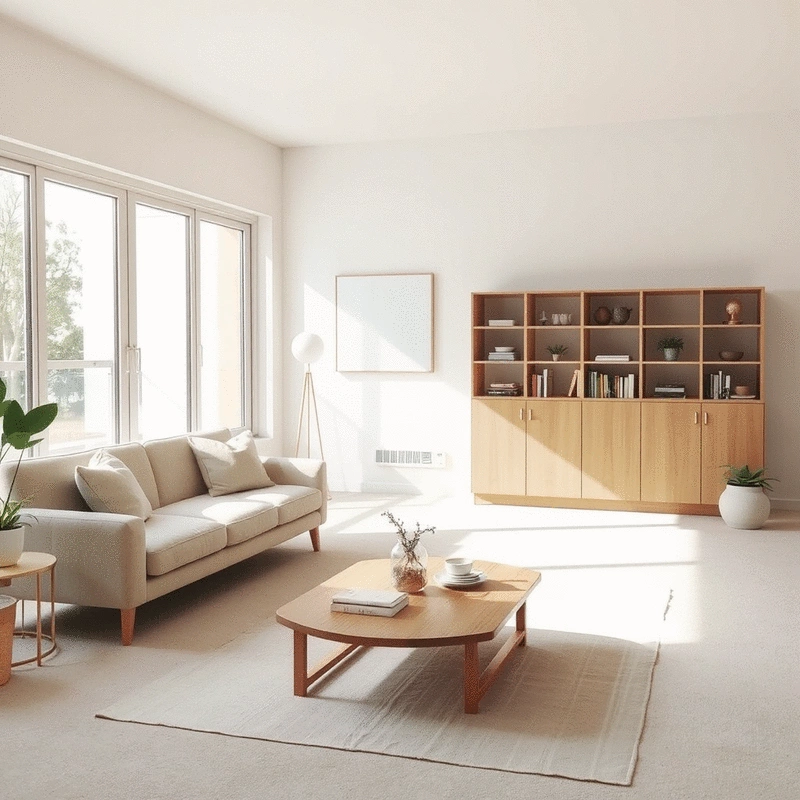
As the world rapidly changes, the importance of simplifying our lives becomes even more evident. What if decluttering your home could lead to a clearer mind and a more intentional lifestyle? For many Australians, embracing minimalism is not just a trend but a transformative journey towards finding peace and fulfillment in everyday life.
What You Will Learn
- Minimalism Enhances Mental Clarity: A clutter-free environment promotes improved focus and reduced stress, leading to enhanced creativity.
- Growing Trend in Australia: More Australians are turning to minimalism for financial savings, environmental consciousness, and a desire for simpler living.
- Mindful Consumption Matters: Practicing mindful consumption by asking if you truly need an item can help in making informed purchasing decisions.
- Eco-Conscious Decluttering: Understanding the difference between donating and disposing of items can significantly affect our environmental footprint.
- Impact of Clutter on the Environment: Clutter leads to excessive waste and resource depletion, highlighting the need for responsible decluttering practices.
- Sustainable Living Benefits: Adopting eco-friendly products and prioritizing quality over quantity contributes positively to both personal wellbeing and the planet.
Environmental Impact of Clutter and Decluttering Practices
The following visual illustrates the benefits and impacts of decluttering practices, highlighting key aspects such as waste reduction, resource management, and mindful consumption. For more detailed insights, consider exploring decluttering tips for Australian homes.
Benefits of Minimalism
- Improved Focus
- Reduced Stress
- Increased Creativity
Environmental Impact of Clutter
- Excessive Waste
- Resource Depletion
- Pollution
Mindful Consumption Tips
- Ask Yourself “Do I Need This?”
- Consider Quality Over Quantity
- Limit Impulse Buys
Responsible Decluttering Practices
- Donation of Good Condition Items
- Recycling Options Available
- Proper Disposal of Hazardous Items
Understanding the Importance of Decluttering for Minimalist Living in Australia
Decluttering is more than just creating a tidy space; it’s about embracing a minimalist lifestyle that promotes tranquility and mental clarity. Living in a clutter-free environment allows us to focus on what truly matters in our lives. At Organized Aussie Life, we believe that when we remove the excess, we create room for abundance and peace!
In Australia, the quest for minimalism has become increasingly important, especially as our lives get busier. Many individuals are recognizing that a well-organized home can significantly impact their mental health. By simplifying our spaces, we can experience a greater sense of happiness and fulfillment, which is something I strive to help others achieve through practical home organization strategies.
Connecting Minimalism with Mental Clarity and Abundance
Minimalism encourages us to let go of unnecessary items, which can lift a huge weight off our shoulders! Studies show that our surroundings can influence our mood and productivity. Here are some key benefits of embracing a minimalist lifestyle:
- Improved Focus: Fewer distractions allow for clearer thinking.
- Reduced Stress: An organized space leads to a more peaceful mind.
- Increased Creativity: A clutter-free environment can spark new ideas.
At Organized Aussie Life, I’ve seen firsthand how decluttering can transform lives. When we clear our spaces, we often find the room to grow both mentally and emotionally. By prioritizing mental clarity, we set ourselves up for a more abundant life! For more on creating calm, read about how to declutter your home for calm.
Why Australians Are Turning to Minimalist Living
In recent years, there’s been a noticeable shift among Australians towards minimalist living. More people are recognizing the benefits of having less and are choosing to declutter their homes. Here’s why this trend is gaining momentum:
- Financial Savings: Less stuff often means less spending!
- Environmental Awareness: Many are moving towards sustainable living.
- Desire for Simplicity: A simpler life reduces overwhelm.
The rise of shows like “Tidying Up with Marie Kondo” has inspired many Australians to reevaluate their belongings. As a home organization expert, I’m thrilled to see so many embracing these principles and making positive changes!
Exploring the Role of Mindful Consumption in Minimalism
Mindful consumption is a crucial aspect of minimalism that encourages thoughtful decision-making about what we bring into our homes. This approach not only supports a minimalist lifestyle but also promotes sustainability. Here are some tips for practicing mindful consumption:
- Ask Yourself “Do I Need This?” before making a purchase.
- Consider Quality Over Quantity: Choose durable items that last.
- Limit Impulse Buys: Give yourself a waiting period before purchasing.
At Organized Aussie Life, I emphasize the importance of being intentional with our purchases. By practicing mindful consumption, we can create a home that truly reflects our values and simplifies our lives. Learn more about decluttering tips for Aussie homes to enhance your minimalist journey.
Quick Summary
Here's a brief recap of the key points discussed so far:
- Decluttering promotes a minimalist lifestyle that enhances mental clarity and emotional well-being.
- Mindful consumption is essential for supporting sustainability and thoughtful decision-making.
- Responsible decluttering practices, such as donation and recycling, significantly reduce our environmental footprint.
Frequently Asked Questions About Minimalism and Decluttering
Embracing minimalism can lead to improved focus, reduced stress, increased creativity, financial savings, and a greater sense of purpose and fulfillment. It helps create a clutter-free environment that supports mental clarity.
Australians are increasingly turning to minimalist living for several reasons, including financial savings, heightened environmental awareness, and a desire to simplify their lives to reduce overwhelm and achieve greater peace.
Mindful consumption is crucial for minimalism as it involves making thoughtful decisions about purchases. This includes asking if an item is truly needed, prioritizing quality over quantity, and limiting impulse buys, which supports both a minimalist approach and sustainability.
Clutter contributes to excessive waste, resource depletion, and pollution. Responsible decluttering practices, such as donating items in good condition, recycling appropriate materials, and properly disposing of hazardous items, can significantly reduce your environmental footprint and promote a healthier planet.
Evaluating the Environmental Impact of Decluttering Practices
When we think about decluttering, we often focus on the immediate benefits like a tidy home. However, it's equally important to consider the environmental impact of our decluttering practices. At Organized Aussie Life, I believe that how we dispose of unwanted items can significantly affect our planet. Understanding the environmental implications helps us make better choices that benefit both our homes and the Earth!
One key aspect is the choice between donation and disposal. Donating items to local charities or second-hand stores can breathe new life into items that others might cherish. In contrast, putting everything in a landfill contributes to waste. By evaluating our options, we can ensure that our decluttering efforts positively impact our communities and the environment.
Responsible Decluttering: Donation vs. Disposal in Australia
In Australia, responsible decluttering means knowing when to donate and when disposal is necessary. Here are a few points to consider:
- Donation: Items in good condition such as clothing, furniture, and household goods can be donated.
- Recycling: Check if items can be recycled, like electronics or paper products.
- Disposal: Broken or damaged items may need to be properly disposed of, especially if they contain hazardous materials.
By following these guidelines, we can minimize the environmental footprint of our decluttering efforts. It's all about making informed choices that resonate with our values of sustainability and community! For information on proper disposal, check out our guide on sustainable rubbish removal in Sydney.
Eco-Conscious Minimalism: A Sustainable Approach
Eco-conscious minimalism goes hand-in-hand with decluttering. This approach encourages us to think carefully about what we bring into our lives. Here are some ways to adopt a sustainable mindset:
- Prioritize quality over quantity when shopping.
- Choose eco-friendly products that last longer.
- Be mindful of packaging and opt for minimal or recyclable options.
By embracing eco-conscious minimalism, you not only declutter your space but also contribute to a healthier planet. It’s a fantastic way to live harmoniously with nature while enjoying your organized home!
Understanding the Environmental Impact of Clutter
Clutter can have a surprising impact on the environment. Accumulation of items often leads to wastefulness and poor resource management. Here’s how clutter can affect our environment:
- Excessive Waste: More items lead to more waste, contributing to landfill overflow.
- Resource Depletion: Manufacturing more goods means using up valuable resources and generating emissions.
- Pollution: Items that aren't disposed of properly can cause pollution in landfills and waterways.
By reducing clutter, we can all take steps towards a more sustainable future. At Organized Aussie Life, I believe that every little effort counts, and by decluttering responsibly, we can leave a positive legacy for future generations! Discover more simple home organization tips to help you on your journey.
Recap of Key Points
Here is a quick recap of the important points discussed in the article:
- Embrace Minimalism: Decluttering leads to a minimalist lifestyle that promotes tranquility and mental clarity.
- Improve Your Environment: A clutter-free space enhances focus, reduces stress, and fosters creativity.
- Mindful Consumption: Practice thoughtful purchasing by asking, “Do I need this?” and prioritizing quality over quantity.
- Responsible Decluttering: Understand the difference between donation and disposal to minimize environmental impact.
- Eco-Conscious Choices: Adopt sustainable practices by choosing eco-friendly products and being mindful of packaging.
- Impact of Clutter: Recognize that clutter contributes to waste, resource depletion, and pollution, and take steps to declutter responsibly.

Clara Whitfield
Clara Whitfield is a dedicated home organization expert and the visionary behind Organized Aussie Life. With a love for decluttering and a knack for innovative solutions, Clara transforms Australian homes into serene, stress-free sanctuaries. Her goal is to empower families with practical strategies for achieving harmonious living spaces through effective organization and rubbish removal services.
Popular Posts
Healthy Home Deep Cleaning Tips
![Healthy Home Deep Cleaning Tips]() Did you know that a clean home can significantly enhance your overall well-being? By deep cleaning y
Did you know that a clean home can significantly enhance your overall well-being? By deep cleaning y
 Did you know that a clean home can significantly enhance your overall well-being? By deep cleaning y
Simple Habits for Home Organization
![Simple Habits for Home Organization]() Creating a clutter-free home doesn’t require drastic changes; it’s about establishing effective
Creating a clutter-free home doesn’t require drastic changes; it’s about establishing effective
 Creating a clutter-free home doesn’t require drastic changes; it’s about establishing effective
Weekend Home Organization Made Simple
![Weekend Home Organization Made Simple]() Did you know that organizing your home can significantly reduce stress and enhance your productivity
Did you know that organizing your home can significantly reduce stress and enhance your productivity
 Did you know that organizing your home can significantly reduce stress and enhance your productivity
Organize Your Home, Manage Time
![Organize Your Home, Manage Time]() Effective time management is not just about scheduling; it's about creating a serene living environm
Effective time management is not just about scheduling; it's about creating a serene living environm
 Effective time management is not just about scheduling; it's about creating a serene living environm
