Organize Your Home, Manage Time
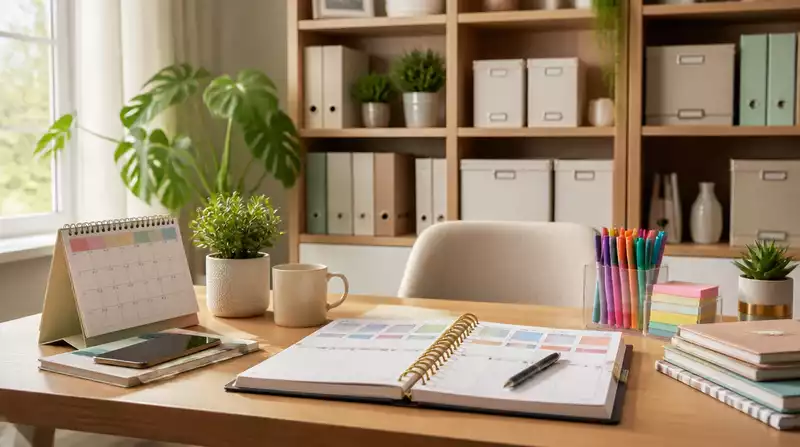
Effective time management is not just about scheduling; it's about creating a serene living environment that enhances your well-being. Imagine entering a clutter-free home where everything has its place and you spend less time searching for items. This article dives into practical strategies to overcome common organizational challenges and maintain a harmonious home.
What You Will Learn
- How setting specific time frames and using timers can improve focus on organization tasks.
- Common challenges like emotional attachment to belongings and lack of time that hinder home organization.
- Techniques for evaluating your current organization systems and prioritizing decluttering efforts effectively.
- The importance of creating structured morning and evening routines for efficient home management.
- Strategies for maintaining an organized home through daily habits and a designated Weekly Reset Day.
- Benefits of an organized home, including reduced decision fatigue and improved focus.
- Time management systems tailored to different household types for streamlined organization.
Key Aspects of Effective Home Organization
Understanding the dynamics of home organization is crucial for creating a serene living space. Below are some essential elements to consider:
Time Management Benefits
- Less Time Spent Searching
- Faster Cleaning Routines
- Improved Focus
- Less Stress
Common Challenges
- Insufficient Time for Organization
- Emotional Attachment to Belongings
- Not Knowing Where to Start
Daily Sustaining Habits
- Make Your Bed Every Morning
- One In, One Out Rule
- Spend 10 Minutes Decluttering
Weekly Reset Day
- Choose a Day When Everyone is Available
- Make a List of Areas to Focus On
- Reward Yourselves After a Successful Reset!
Effective Time Management Strategies for Home Organization
Understanding Time Management in Home Organization
Effective time management is essential for organizing your home. It allows you to allocate appropriate time for decluttering, cleaning, and maintaining order, which can significantly reduce stress. When we set clear time frames for these activities, it not only makes the process smoother but also ensures we stay consistent in our efforts.
In my journey with Organized Aussie Life, I've found that families often overlook how much time organization can actually save them. By prioritizing their tasks and managing their time wisely, they can create serene living spaces. This leads to a more enjoyable and manageable home environment! For additional guidance, consider these simple home organization tips.
- Set specific time frames for tasks.
- Use timers to keep you focused.
- Plan your organizing sessions in advance.
Common Challenges in Home Organization
Many families face several challenges when it comes to maintaining a well-organized home. Some of the most common obstacles include lack of time, overwhelming clutter, and difficulty deciding what to keep or discard. Recognizing these challenges is the first step towards overcoming them!
As I’ve worked with various households, I've seen that not having a structured plan often leads to frustration. Families can feel lost in their clutter, making it harder to take actionable steps towards improvement. To help you identify these obstacles, here are some key challenges:
- Insufficient time for organization.
- Emotional attachment to belongings.
- Not knowing where to start.
Assessing Your Home Management Needs
Evaluating Your Current Home Organization Systems
It's crucial to evaluate your current home organization systems and figure out what's working and what needs improvement. Start by taking a close look at each room and identifying areas that feel cluttered or chaotic. This assessment helps you pinpoint specific actions to streamline your space.
In my experience with Organized Aussie Life, I've discovered that families often need help with this evaluative process. Here’s how to perform a thorough assessment:
- Walk through each room and take notes on clutter.
- Ask family members for their input on organization systems.
- Rank areas by priority for decluttering efforts.
Recognizing Different Household Types
Understanding how various household types impact organizational needs is crucial. For instance, families with young children may require more flexible systems than remote workers who thrive on structure. By recognizing these differences, you can tailor your organization strategies for better effectiveness! If you're looking for guidance, these decluttering tips for busy families can be particularly helpful.
At Organized Aussie Life, I’ve seen firsthand how different dynamics influence organization. Here are some types of households and their unique needs:
- Families with kids - need durable storage solutions.
- Remote workers - benefit from a dedicated workspace.
- Shared homes - require clear labeling and personal spaces.
Prioritizing Tasks for Efficient Home Management
Creating Effective Morning and Evening Routines
Implementing structured daily practices can significantly streamline home management. Morning routines set the tone for the day, while evening rituals help you wind down. Both routines can play a vital role in maintaining an organized home!
From my experience, creating consistent routines helps families feel more in control. Here’s what you can include in your routines:
- Start your day with a quick tidy-up.
- Establish a wind-down process to prepare for the next day.
- Involve the whole family in the routines.
Developing a Weekly Reset Day
Setting aside time each week for a reset can rejuvenate your home organization efforts. This dedicated time allows you to tackle any lingering clutter and refresh your living spaces. It’s like hitting the reset button on your organization journey!
At Organized Aussie Life, I often recommend choosing a specific day to focus on resetting your home. Here’s how to make the most of your Weekly Reset Day:
- Choose a day when everyone is available.
- Make a list of areas to focus on.
- Reward yourselves after a successful reset!
Task Prioritization Techniques
Effectively prioritizing tasks based on importance and urgency can lead to better home management. It's essential to identify what needs immediate attention versus what can wait. This approach will help keep your organization efforts on track! For more ideas, explore how to declutter your home with Australian tips.
In my work, I've found a few techniques that work well for prioritizing tasks:
- Use the Eisenhower Matrix to categorize tasks.
- Make a daily to-do list and highlight top priorities.
- Set time limits for each task to stay focused.
Quick Summary
Here's a brief recap of the key points discussed so far:
- Effective time management reduces stress and enhances home organization.
- Common challenges include lack of time and emotional attachment to belongings.
- Structured routines, like morning and evening practices, help maintain order.
- Regular evaluations and adjustments to organization systems are essential for success.
Maintaining Your Organized Home
Once you've invested time into organizing your home, it's crucial to maintain that order. Establishing daily habits that support your organizational efforts can make all the difference. Simple routines can help keep your space tidy and functional, preventing clutter from creeping back in.
One effective way to sustain organization is to set aside a few minutes each day for tidy-up tasks. This can mean putting items back in their designated spots, wiping down surfaces, or sorting through mail. By integrating these small practices into your daily life, you can create a habit of *keeping your home organized*.
Establishing Daily Habits to Sustain Order
Forming daily habits is key to maintaining an organized home. Here are some habits you can adopt:
- Make Your Bed Every Morning: This simple act can set a positive tone for the day.
- Implement a "One In, One Out" Rule: For every new item brought into the home, let go of one.
- Spend 10 Minutes Decluttering: Choose a room and dedicate a short time to tidy up at the end of the day.
- Set a Clean-Up Timer: Use a timer for quick clean-up sessions, making it feel less overwhelming.
By adopting these habits, you can significantly reduce clutter and keep your home feeling organized. Remember, small steps lead to big changes over time!
Measuring Success: Time Saved and Reduced Decision Fatigue
Organization isn't just about how your home looks—it's also about how it functions. When your home is organized, you save time and energy in your daily tasks. This not only leads to a more efficient household but can also diminish decision fatigue.
Consider these benefits of maintaining an organized home:
- Less Time Spent Searching: With everything in its place, you'll spend less time looking for lost items.
- Faster Cleaning Routines: Regular cleaning becomes quicker and easier when everything is organized.
- Improved Focus: A tidy environment reduces distractions, allowing for better concentration.
- Less Stress: An organized home can lead to a clearer mind, reducing anxiety and stress levels.
At Organized Aussie Life, we believe in the power of a well-organized home to improve overall well-being. It’s all about creating a serene environment that works for you! For a comprehensive approach to decluttering, consider these Australian decluttering tips.
Frequently Asked Questions about Home Organization
Here are some common questions about home organization and time management:
- What are the main benefits of an organized home?
An organized home leads to less time spent searching for items, faster cleaning routines, improved focus, and reduced stress. - What are common challenges in home organization?
Common challenges include insufficient time, emotional attachment to belongings, and not knowing where to start. - How can I overcome emotional attachment to belongings?
To overcome emotional attachment, try implementing the "one in, one out" rule, setting clear criteria for what to keep, and focusing on the function and value of items. - What is a Weekly Reset Day?
A Weekly Reset Day is a dedicated time each week to tackle lingering clutter, refresh living spaces, and prepare your home for the upcoming week. It helps maintain order and prevent overwhelm. - How can morning and evening routines help with home organization?
Morning routines set a productive tone by starting the day with a quick tidy-up, while evening routines help wind down and prepare for the next day, ensuring items are put away and surfaces are clear. - How do I prioritize tasks for efficient home management?
Prioritize tasks by using methods like the Eisenhower Matrix (categorizing by importance and urgency), creating daily to-do lists with highlighted priorities, and setting time limits for each task to maintain focus. - Are there specific time management systems for different household types?
Yes, for families with young kids, visual schedules work well. Remote workers benefit from dedicated work/home time blocks. Shared homes need shared calendars, and sole occupants can batch similar tasks for efficiency.
How to Organize Your Home When Busy
For many, busy schedules can make home organization feel overwhelming. However, it's entirely possible to create an organized space even with a packed agenda. Here are some quick tips:
- Focus on One Area at a Time: Don’t try to tackle everything at once; choose a single space to work on.
- Set Realistic Goals: Allocate specific time slots for organizing tasks that fit into your schedule.
- Involve the Family: Make organizing a family activity—everyone can contribute!
- Use Waiting Time: Utilize waiting times (like cooking) to declutter or organize small areas.
These strategies can help you maintain a sense of order even on the busiest days!
Best Time Management Systems for Different Household Types
Every household is different, and effective organizational methods can vary widely. Understanding your family's specific dynamics can help tailor a time management system that works best for you. Here are some recommendations:
- Families with Young Kids: Use visual schedules and chart routines to keep everyone on track.
- Remote Workers: Set aside specific blocks of time for work and home tasks to maintain balance.
- Shared Homes: Implement a shared calendar to coordinate cleaning and organizational tasks among housemates.
- Sole Occupants: Maximize your time by batching similar tasks together for efficiency.
Finding a system that resonates with your household’s unique needs can create a smoother, more organized home life.
Concluding Thoughts and Call to Action
Encouragement to Start Implementing Time Management Tips
Now that you have some effective time management strategies, I encourage you to start implementing them in your daily life. Remember, every little bit helps, and even small changes can lead to big improvements in your home organization.
It’s time to take action! Start today by picking one habit from the daily practices we've discussed. You'll be amazed at how quickly you can create a more organized and harmonious living space.
Invitation to Share Your Organizational Success Stories
I would love to hear about your journey to home organization! Feel free to share your success stories or challenges with me. Your experiences can inspire others facing similar struggles. Together, we can build a supportive community around home organization and decluttering!
Recap of Key Points
Here is a quick recap of the important points discussed in the article:
- Effective time management is crucial for home organization, allowing for a more serene living space.
- Identify common challenges such as lack of time, emotional attachment to belongings, and knowing where to start.
- Evaluate your current organization systems by assessing each room and prioritizing areas that need attention.
- Implement structured morning and evening routines to maintain order in your home.
- Establish a weekly reset day to tackle lingering clutter and rejuvenate your space.
- Adopt daily habits such as making your bed and using a "one in, one out" rule to sustain organization.
- Measure the success of your organization efforts by evaluating time saved and reduced decision fatigue.
- Tailor time management strategies to fit your household type for greater efficiency.

Clara Whitfield
Clara Whitfield is a dedicated home organization expert and the visionary behind Organized Aussie Life. With a love for decluttering and a knack for innovative solutions, Clara transforms Australian homes into serene, stress-free sanctuaries. Her goal is to empower families with practical strategies for achieving harmonious living spaces through effective organization and rubbish removal services.
Popular Posts
Healthy Home Deep Cleaning Tips
![Healthy Home Deep Cleaning Tips]() Did you know that a clean home can significantly enhance your overall well-being? By deep cleaning y
Did you know that a clean home can significantly enhance your overall well-being? By deep cleaning y
 Did you know that a clean home can significantly enhance your overall well-being? By deep cleaning y
Simple Habits for Home Organization
![Simple Habits for Home Organization]() Creating a clutter-free home doesn’t require drastic changes; it’s about establishing effective
Creating a clutter-free home doesn’t require drastic changes; it’s about establishing effective
 Creating a clutter-free home doesn’t require drastic changes; it’s about establishing effective
Weekend Home Organization Made Simple
![Weekend Home Organization Made Simple]() Did you know that organizing your home can significantly reduce stress and enhance your productivity
Did you know that organizing your home can significantly reduce stress and enhance your productivity
 Did you know that organizing your home can significantly reduce stress and enhance your productivity
Organize Your Home, Manage Time
![Organize Your Home, Manage Time]() Effective time management is not just about scheduling; it's about creating a serene living environm
Effective time management is not just about scheduling; it's about creating a serene living environm
 Effective time management is not just about scheduling; it's about creating a serene living environm
