Keeping Your Home Tidy with Kids
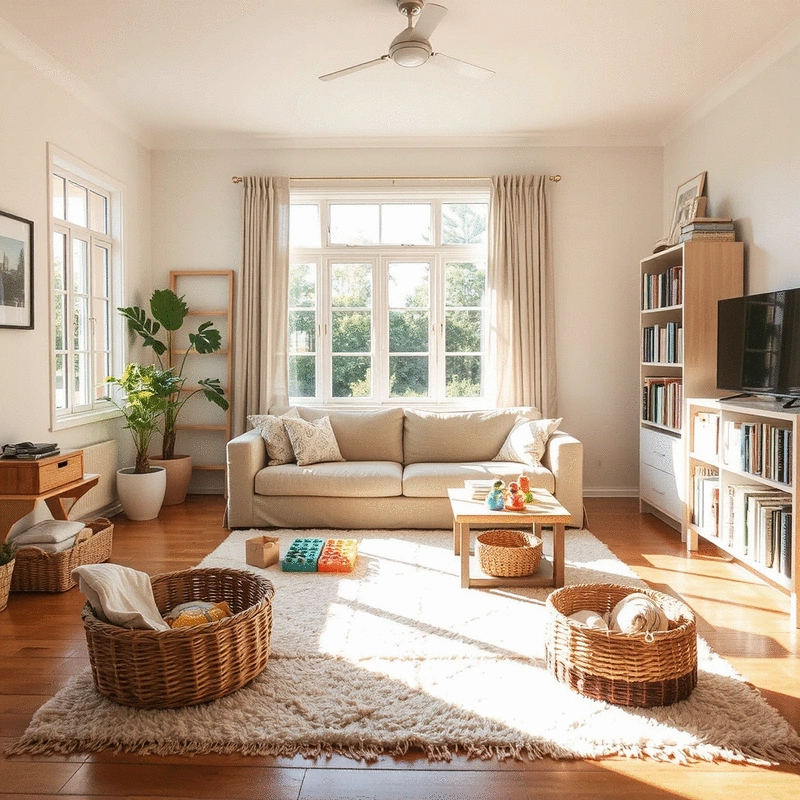
As a parent, you know that chaos can often reign supreme in the presence of little ones. But what if maintaining a tidy home could be transformed from a stressful chore into a fun family activity? Discover how simple strategies can bring order to your home while fostering teamwork and responsibility among your children.
What You Will Learn
- Recognize common challenges parents face in keeping a tidy home, such as shifting interests and outdoor clutter.
- Involve children in household chores by assigning age-appropriate tasks, fostering independence and responsibility.
- Transform tidying into a fun experience with gamification techniques, such as reward systems and time challenges.
- Create designated play areas to help children understand where their toys belong, promoting organization and tidiness.
- Utilize child-friendly cleaning products that are safe and eco-conscious, encouraging kids to participate in the cleaning process.
- Implement family chore charts to establish accountability and celebrate small victories together, enhancing family bonds.
- Adapt tidiness strategies as your children grow and family dynamics change, ensuring lasting effectiveness.
Key Strategies for Maintaining a Tidy Home with Kids
Here are some fundamental strategies that families can implement to ensure a tidy home environment while involving their children. For more detailed advice, consider our declutter your home Australian tips.
Involving Kids in Chores
- Toddlers can help put away toys and books.
- Preschoolers can wipe tables with a damp cloth.
- School-age kids can sort laundry and set the table.
- Older kids can vacuum and take out the rubbish.
Gamifying Cleaning Tasks
Turning chores into games can make tidying up fun! Kids are more likely to participate when they feel engaged.
Creating Kid-Friendly Zones
Designate specific areas for play to keep your home tidy. This could be a cozy corner or a dedicated playroom.
Implementing Family Chore Charts
A family chore chart can boost organization and accountability. Kids can check off tasks to encourage participation.
Strategies for Keeping a Tidy Home with Kids in Australia
As a home organization expert at Organized Aussie Life, I understand that keeping a tidy home with kids can feel like an uphill battle. The *joy* of having little ones often comes with the challenge of managing clutter and maintaining order in our living spaces. In this article, I’ll share some practical strategies tailored specifically for Australian families to help you create a harmonious home environment.
One of the first steps in addressing this challenge is understanding what makes it tough to keep things tidy. With the unique *Australian lifestyle*, from outdoor activities to busy school schedules, it can be hard to stay on top of household organization. Let’s dive into some common issues that many parents face and how we can tackle them together!
Understanding the Challenges of Tidiness in Family Homes
Exploring common issues faced by Australian parents
Every parent knows that kids can create chaos! From toys scattered across the living room to clothes left in unexpected places, the *disarray* can feel overwhelming. Here are some common challenges Australian parents encounter:
- Constantly changing interests and toys
- Unpredictable schedules with extracurricular activities
- Limited space in family homes
- Ongoing mess from arts and crafts projects
These factors contribute to a sense of chaos that can make it difficult to maintain *tidiness*. However, recognizing these challenges is the first step toward finding effective solutions. For more insights on managing clutter, check out our guide on decluttering tips for busy families.
Impact of Australian lifestyle on household organization
The Australian lifestyle, with its emphasis on outdoor play and family activities, can lead to a unique set of clutter challenges. Families often have *outdoor gear*, sporting equipment, and school supplies that need organizing. This can sometimes feel overwhelming!
To help, consider creating designated zones in your home for different activities. For instance, a mudroom can be a great spot for shoes, hats, and sports gear, keeping them contained. Who doesn’t love a tidy home that also accommodates all the fun we have as families?
Involving Kids in Household Chores
Age-appropriate cleaning tasks for children
One of the best ways to maintain a tidy home is by involving your kids in the cleaning process. It’s essential to assign age-appropriate tasks that they can handle. Here are some ideas:
- Toddlers can help put away toys and books.
- Preschoolers can wipe tables with a damp cloth.
- School-age kids can sort laundry and set the table.
- Older kids can vacuum and take out the rubbish.
By giving kids responsibilities, we not only lighten our load but also teach them important life skills that pave the way for a more organized future.
Gamifying chores to encourage participation
Turning chores into games can make tidying up *fun*! Kids are more likely to participate when they feel engaged. Consider using a points system or setting a timer for quick clean-up races. This way, kids can earn rewards or special privileges for their efforts!
At Organized Aussie Life, I’ve seen how these strategies not only improve tidiness but also strengthen family bonds. Remember, a little creativity goes a long way! If you're looking for more ways to manage waste effectively, explore sustainable rubbish removal in Sydney.
Creating kid-friendly zones for organized play
Designating specific areas for play can make a massive difference in keeping your home tidy. Create *kid-friendly zones* where children can freely play without spreading their toys throughout the house. This could be a cozy corner in the living room or a dedicated playroom.
By having a place for everything, kids can learn to put their items away after use. It’s a win-win situation for everyone involved!
Child-friendly cleaning products that are safe and effective
Using child-friendly cleaning products not only ensures safety but also encourages kids to help out without worries. Look for brands that focus on eco-friendly and non-toxic solutions. This way, you can keep your home clean while also being mindful of the environment.
Also, don't forget to involve your kids in choosing the products! This can make them more excited to help out during cleaning time.
Family chore charts to promote responsibility
Implementing a family chore chart can boost organization and accountability. Make it a fun activity by creating colorful charts together! Kids can check off their completed tasks, which gives them a sense of accomplishment.
At Organized Aussie Life, I believe in celebrating these small victories. Not only do chore charts instill responsibility, but they also help families work together toward a common goal of maintaining a tidy home.
Pro Tip
Did you know? Involving children in household chores not only helps keep your home tidy but also promotes essential life skills. When kids participate in cleaning, they learn about responsibility, teamwork, and the importance of maintaining a healthy living space. Make it a regular part of your family routine, and watch them take pride in their contributions!
Frequently Asked Questions (FAQs)
Q: What are common challenges Australian parents face in keeping a tidy home?
A: Australian parents often deal with constantly changing interests and toys, unpredictable schedules due to extracurricular activities, limited space in family homes, and ongoing mess from arts and crafts projects. The outdoor-focused lifestyle also adds challenges with managing outdoor gear.
Q: How can I involve my children in household chores effectively?
A: Involve children by assigning age-appropriate tasks. Toddlers can put away toys, preschoolers can wipe tables, school-age kids can sort laundry, and older kids can vacuum. Gamifying chores with points or timer-based challenges can also increase participation.
Q: What are kid-friendly zones, and why are they important?
A: Kid-friendly zones are designated areas in your home for children to play, such as a cozy corner or a dedicated playroom. They are important because they help contain toys and clutter, teaching children to put items away after use and promoting overall tidiness.
Q: How can chore charts help in maintaining a tidy home?
A: Family chore charts boost organization and accountability. By allowing kids to check off completed tasks, they gain a sense of accomplishment and responsibility. This fosters teamwork and helps families work towards a common goal of a tidy home.
Q: Why is flexibility important when implementing a tidiness plan?
A: Flexibility is crucial because life with kids is unpredictable, and family dynamics change as children grow. It's essential to adjust cleaning strategies without guilt, recognizing that tidiness is a learning process for everyone, and what works at one stage may need tweaking at another.
Wrapping Up: Achieving a Tidy Home with Kids
As we come to the end of our journey through the art of maintaining a tidy home with kids, let’s take a moment to appreciate the incredible teamwork it requires. Working together as a family not only makes tidiness achievable but also fosters a sense of responsibility and collaboration among your children. Together, we can transform this chore into a fun and rewarding experience that everyone can participate in!
Establishing routines is essential! Consistency helps children understand their responsibilities while making tidiness a normal part of their daily life. Remember, the goal isn’t perfection; it’s about creating an organized space where everyone feels comfortable and happy.
Reviewing Key Takeaways for Families
To recap, here are some vital points families should consider:
- Teamwork is crucial: Involving everyone in cleaning makes the tasks lighter and more enjoyable.
- Set routines: Daily and weekly cleaning schedules help maintain order.
- Encourage individual responsibilities: Assign age-appropriate tasks to children to foster independence.
When everyone plays their part, it creates a lively atmosphere in the home, making tidying not just a chore but a family activity!
Summarizing the importance of teamwork in tidiness
Teamwork can turn a tedious task into a bonding experience. As a parent, I’ve found that when we tackle cleaning together, my kids are more enthusiastic about helping. It’s about making it a fun family affair rather than a chore!
Additionally, showing appreciation for each other's efforts reinforces positive behavior. A simple “thank you” can go a long way in motivating everyone to continue contributing to a tidy home.
Reinforcing the benefits of establishing routines
Establishing cleaning routines, as we discussed, helps streamline the process. When children know what to expect, it reduces resistance to getting involved. A consistent cleaning schedule allows us all to take pride in our home, knowing that we’re doing our part!
Moreover, routines help children develop a sense of time management, which is a valuable skill for their future. They learn early on that taking care of our living space is a shared responsibility! If you need more structure, consider implementing a spring cleaning checklist for Aussies to keep track of tasks.
Encouraging Feedback and Community Sharing
I invite you to share your experiences and tips for keeping a tidy home! Community sharing can lead to discovering new strategies that work well for others. The journey to an organized home doesn’t have to be taken alone; let’s create a network of support for Australian parents!
Feel free to reach out with your insights. Whether it's a favorite cleaning hack or a fun way your family engages with tidying up, I would love to hear from you! Together, we can learn and grow, making our homes happier places.
Creating a supportive community for Australian parents
Engaging in forums and parenting blogs can be a wonderful way to find inspiration. Connecting with fellow Australian parents who share similar challenges and victories in tidiness can empower us all to continue striving for better organization.
At Organized Aussie Life, I believe that sharing knowledge leads to growth. That’s why I encourage you to join our community and share your journey!
Parenting forums and blogs as resources for tidiness
Have you explored parenting forums? They’re fantastic platforms where you can exchange ideas and tips. You might find helpful content on:
- Cleaning strategies tailored for families
- Product recommendations from other parents
- Fun games that make tidying engaging for kids
Utilizing these resources allows us to expand our toolkit of tidiness strategies!
Next Steps: Implementing Your Tidiness Plan
Now that we’ve covered so many helpful strategies, it's time to get moving! Take the best practices we discussed and tailor them to fit your family’s unique needs. Start small, and gradually integrate these methods into your daily routine.
Flexibility is key, though! It’s essential to adjust your tidiness plan as your children grow and your home evolves. What works for one family may need tweaking for another, and that’s perfectly okay!
Encouraging the adoption of strategies discussed
Don’t hesitate to experiment! Try different techniques to see which ones resonate with your family. Maybe a chore chart works wonders, or perhaps gamifying cleaning tasks brings out the best in your kids. Each family is different, and embracing that uniqueness helps create a personalized tidying plan.
Most importantly, remember to celebrate your successes, no matter how small! Every bit of effort counts, and recognizing progress can motivate your family to keep going.
Reminding families to stay flexible and adjust methods as needed
As I’ve learned in my own journey, staying flexible is key. Life with kids can be unpredictable, and sometimes it may feel overwhelming. Adjust your cleaning strategies without guilt, and don’t forget it’s a learning process for everyone. For more ideas on managing your home effectively, discover our stress-free home organization tips.
Your home can be a peaceful sanctuary with a little patience and teamwork. Let’s embrace the beautiful mess that comes with raising kids while steadily working towards a tidy home!
Recap of Key Points
Here is a quick recap of the important points discussed in the article:
- Understand the Challenges: Recognize the unique clutter challenges faced by Australian families, including changing interests and limited space.
- Involve Kids in Cleaning: Assign age-appropriate tasks to help children learn responsibility while making tidying fun.
- Create Designated Play Zones: Set up specific areas for play to contain toys and minimize mess throughout the home.
- Implement Family Routines: Establish daily and weekly cleaning schedules to create consistency and ease in maintaining order.
- Use Child-Friendly Products: Choose safe, eco-friendly cleaning solutions to encourage kids to participate without concerns.
- Encourage Teamwork: Foster a collaborative spirit within the family to make cleaning a shared and enjoyable experience.

Clara Whitfield
Clara Whitfield is a dedicated home organization expert and the visionary behind Organized Aussie Life. With a love for decluttering and a knack for innovative solutions, Clara transforms Australian homes into serene, stress-free sanctuaries. Her goal is to empower families with practical strategies for achieving harmonious living spaces through effective organization and rubbish removal services.
Popular Posts
Healthy Home Deep Cleaning Tips
![Healthy Home Deep Cleaning Tips]() Did you know that a clean home can significantly enhance your overall well-being? By deep cleaning y
Did you know that a clean home can significantly enhance your overall well-being? By deep cleaning y
 Did you know that a clean home can significantly enhance your overall well-being? By deep cleaning y
Simple Habits for Home Organization
![Simple Habits for Home Organization]() Creating a clutter-free home doesn’t require drastic changes; it’s about establishing effective
Creating a clutter-free home doesn’t require drastic changes; it’s about establishing effective
 Creating a clutter-free home doesn’t require drastic changes; it’s about establishing effective
Weekend Home Organization Made Simple
![Weekend Home Organization Made Simple]() Did you know that organizing your home can significantly reduce stress and enhance your productivity
Did you know that organizing your home can significantly reduce stress and enhance your productivity
 Did you know that organizing your home can significantly reduce stress and enhance your productivity
Organize Your Home, Manage Time
![Organize Your Home, Manage Time]() Effective time management is not just about scheduling; it's about creating a serene living environm
Effective time management is not just about scheduling; it's about creating a serene living environm
 Effective time management is not just about scheduling; it's about creating a serene living environm
