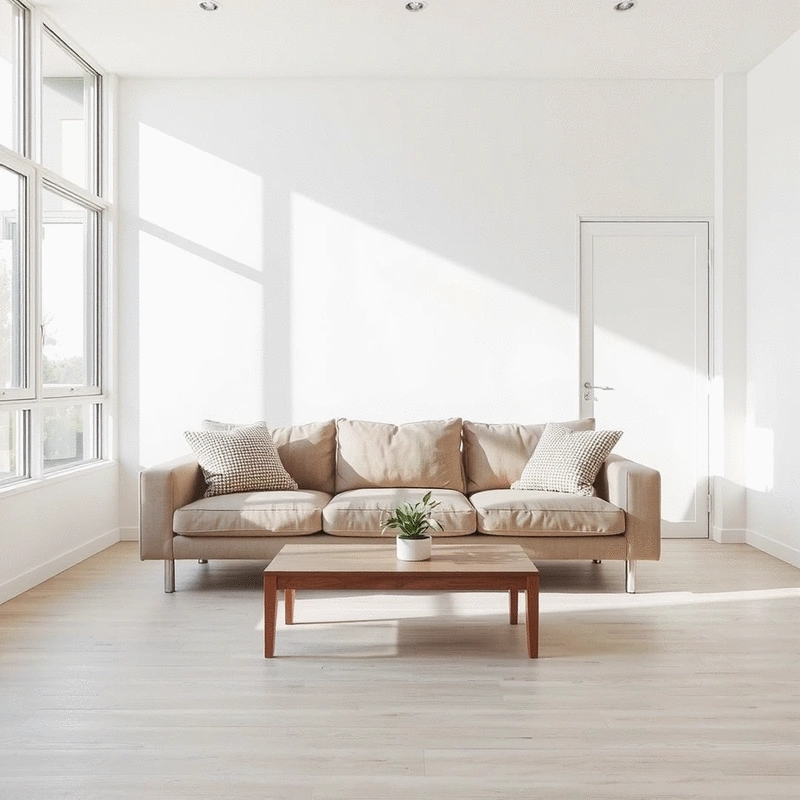
Clarity and Focus
Reduced distractions leading to enhanced concentration and productivity.
Creating a minimalist living space isn't just about decluttering; it’s a transformative journey that enhances tranquility and connection within your home. As you embark on this path, consider the unique Australian environment and how your living space can reflect serenity and functionality.
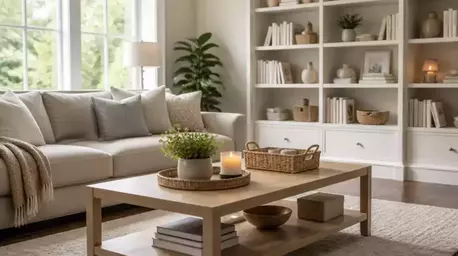
Minimalist interiors create a serene environment, enhancing clarity and overall quality of life. The following comparisons illustrate essential advantages.
Reduced distractions leading to enhanced concentration and productivity.
Efficient arrangements make it easier to find and appreciate belongings.
Less clutter means less time spent cleaning and maintaining.
Mindful consumption leads to reduced waste and environmental impact.
Embarking on the journey toward a minimalist living space can be incredibly rewarding, especially here in Australia, where our unique environment and lifestyle lend themselves beautifully to this design philosophy. Embracing minimalism is not just about decluttering; it's about creating a home that reflects serenity, functionality, and style. In this guide, I’ll share practical guidelines to help you bring a minimalist touch to your home. For more comprehensive advice on how to declutter your home, Australian tips can provide further insights.
At its core, minimalism in interior design is about simplicity and functionality. It emphasizes clean lines, neutral colors, and a focus on essential elements. This approach allows you to create a space that feels open and inviting, which is perfect for Australian families seeking calm in their homes.
Minimalism invites you to reduce clutter and prioritize the items that truly matter, resulting in a home that not only looks beautiful but also feels harmonious. By fostering a sense of calm, minimalist design can transform your home into a sanctuary where you can unwind and relax.
Adopting a minimalist approach can yield numerous benefits, especially for Australian households. Here are a few notable advantages:
These benefits align perfectly with my mission at Organized Aussie Life, where I aim to empower Australian homes to embrace stress-free living through effective organization. Minimalism not only simplifies your space but also enhances your quality of life.
Open-plan living is a key feature of minimalist design, promoting a sense of spaciousness and fluidity between different areas of the home. This layout encourages natural interaction among family members and fosters a welcoming atmosphere for guests.
By removing unnecessary walls, you can create a seamless flow from the kitchen to the living area, making the space feel expansive. This arrangement is particularly beneficial for families, as it enhances communication and connectivity while allowing for versatile use of the area. If you're looking for ways to further declutter your home for calm, consider streamlining your living areas.
In minimalist design, every piece of furniture counts! Multi-functional furniture plays a crucial role in maximizing space and utility. Here are some smart options to consider:
Such pieces not only save space but also contribute to a clean and organized look, which is essential in a minimalist home.
Feng Shui principles can enhance the energy flow in your open-plan design. This ancient practice emphasizes harmony and balance in your living environment. To incorporate Feng Shui into your space, consider the following:
By integrating these principles, your minimalist living area can foster a positive and calming energy, aligning with the ethos of Organized Aussie Life.
In Australia, harnessing natural light is a game-changer for creating a vibrant home. North-facing windows are ideal for maximizing sunlight. Here are some strategies to consider:
These simple adjustments can make your space feel warm and inviting, fitting perfectly into a minimalist aesthetic.
Australia’s beautiful climate encourages us to blend indoor and outdoor spaces. To create a smooth transition, consider:
By fostering this connection, you enhance your home’s functionality and create a tranquil retreat that reflects the relaxed Australian lifestyle.
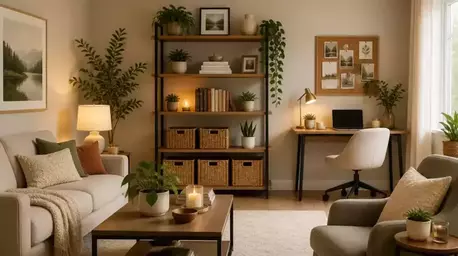
Indoor plants are a wonderful way to add life and color to your minimalist home. They purify the air and bring nature indoors! Here are some easy-to-care-for options:
By incorporating plants, you not only enhance the aesthetic but also foster a calming environment, aligning perfectly with the mission of Organized Aussie Life.
A neutral color palette is a hallmark of minimalist design, offering versatility and a soothing atmosphere. Popular neutral colors include whites, grays, and beiges, which work beautifully in Australian homes. These shades create a backdrop that allows your space to feel open and airy, making it ideal for relaxation.
In my experience, a carefully curated palette can help simplify your decor choices, making it easier to maintain a harmonious space.
While neutrals are essential, adding earthy tones and textures can elevate your minimalist design. Consider these elements:
These additions create warmth and depth, ensuring your minimalist space feels inviting and lived-in.
Both Scandi and Japandi styles emphasize simplicity and functionality, making them perfect for minimalist homes. Their color trends often include soft pastels, muted shades, and organic hues. By mixing these styles, you can create a unique aesthetic that feels fresh and contemporary.
With these color principles in mind, you can create a minimalist space that is both soothing and stylish, aligning with the values of Organized Aussie Life.
When selecting furniture for a minimalist home, functionality is key. Look for pieces that serve multiple purposes and fit your lifestyle. Here are some tips:
By making thoughtful selections, you can ensure your furniture enhances both the aesthetic and functionality of your living space.
Storage solutions are essential for maintaining a clutter-free environment. Here are some ideas for hidden storage:
These solutions help you keep your home organized while adhering to minimalist principles.
For those living in smaller homes or apartments, space-saving furniture is crucial. Here are some smart choices:
By selecting space-saving options, you can make the most of your environment without sacrificing style or comfort.
In Australia, it's essential to consider climate-resilient materials, especially for homes in bushfire-prone areas. Opt for:
By making these choices, you create a safe, minimalist home that respects the Australian landscape.
Minimalism aligns well with sustainability. Incorporating eco-friendly design elements not only benefits the planet but also enhances your home’s aesthetic. Consider: For more insights into sustainable practices, you might find our guide on sustainable rubbish removal in Sydney helpful.
These sustainable practices contribute to a healthier home and environment—values that resonate deeply with Organized Aussie Life.
Choosing eco-friendly materials is not only good for the environment, but it also enhances the overall appeal of your minimalist home. Here are some options to consider:
By selecting eco-friendly materials, you create a beautiful home that reflects both style and responsibility.
Visual inspiration is a powerful tool in the journey toward a minimalist home. Seeing real-life examples can spark creativity and motivate change. Look for case studies that showcase:
These visuals can provide the insight needed to inspire your own minimalist journey.
Utilizing image carousels and comparison tables can effectively illustrate the principles of minimalist design. These tools help you visualize:
These resources can enhance your understanding of minimalist design and make the transition smoother.
Art and decor play a significant role in personalizing a minimalist space. Consider trends that align with the minimalist philosophy, such as:
By thoughtfully curating art and decor, you create a minimalist home that feels uniquely yours, reflecting your personality and style.
To truly embrace minimalism, focus on the concept of 'one in, one out.' For every new item you bring into your home, consider letting go of another. This practice helps maintain balance and prevents clutter from creeping back into your space, ensuring that your minimalist living remains effective and sustainable.
Minimalist living is not just a trend—it's a lifestyle choice that brings a sense of peace and clarity to our homes. At Organized Aussie Life, I've seen firsthand how embracing minimalism can transform Australian households into serene environments. By summarizing the key concepts of minimalist interiors, I hope to inspire you to create a space that reflects calmness and connection.
A minimalist space encourages us to focus on what truly matters—our loved ones and our well-being. The benefits extend beyond just aesthetics. A well-organized home can lead to a more mindful lifestyle, enabling us to live with intention and purpose.
Designing your space with minimalism in mind can create a calming atmosphere. Imagine coming home to a space that feels open and inviting! Here are some notable benefits of minimalist interiors:
Incorporating these elements into your home design can lead to a more connected and peaceful living experience. As someone who values a serene environment, I find that a minimalist approach helps me appreciate the little things in life.
A minimalist space is about more than just having fewer items; it's about creating an environment that promotes well-being. By thoughtfully selecting each piece of furniture and decor, you can foster a sense of calm and connection within your home. Think about how each item contributes to your overall peace of mind!
To create calm and connected spaces, consider:
When our spaces feel inviting, we are more likely to spend quality time with family and friends. It’s all about building connections, both with our environment and with the people we love.
The impact of minimalism on daily life can be significant. By embracing a decluttered lifestyle, we can regain control over our surroundings. This shift often leads to a shift in mindset, allowing for greater appreciation of the present moment. I’ve witnessed families thrive as they let go of excess and focus on what truly matters.
Some ways minimalism influences our everyday lives include:
Ultimately, minimalist living can lead to a more fulfilling life, encouraging us to cherish the experiences and relationships that bring us joy.
As we explore the world of minimalism, it's important to engage with others who share similar interests. At Organized Aussie Life, I often receive questions about minimalist living in Australia. Here are some of the most common FAQs:
These questions reflect a growing interest in minimalism, and I encourage everyone to seek out resources and support. Whether through blogs, online forums, or community groups, finding like-minded individuals can be incredibly helpful. For additional tips on maintaining a clutter-free home, check out our guide on clutter-free living: simple hacks.
In addition to community support, having access to resources can make a significant difference in your minimalist journey. Here are some recommendations:
These resources can guide you as you embrace a minimalist lifestyle, encouraging positive changes in your home. For extra inspiration, read about clear space, clear mind.
Finding the right decor for a minimalist home doesn't have to break the bank! There are numerous online shops that offer affordable yet stylish options. When selecting decor, remember to prioritize simplicity and functionality. Some favorite online decor shops include:
By exploring these options, you can find beautiful decor that complements your minimalist vision without overspending.
As you embark on your minimalist journey, it's essential to adopt practices that will sustain your efforts. This includes incorporating routine maintenance to keep your space organized. I've found that setting aside time each week to declutter can be incredibly beneficial!
Here are some thoughtful practices to consider:
By establishing these routines, you can foster a lasting minimalist space that continues to inspire peace and joy.
One of the best parts of community engagement is learning from each other's experiences. I invite you to share your minimalist journey with Organized Aussie Life! Whether it’s a decluttering success story or a challenge you faced, your insights can inspire others.
Consider sharing your experiences through:
Connecting with others can provide motivation and support, making your minimalist journey even more rewarding.
Creating a personalized minimalist space can be both fun and fulfilling through DIY projects! Simple projects can make a big difference in your home without adding clutter. Here are some DIY ideas to consider:
Each DIY project can help reinforce your commitment to minimalism while allowing your creativity to shine. Happy crafting!
Here is a quick recap of the important points discussed in the article:
Clara Whitfield is a dedicated home organization expert and the visionary behind Organized Aussie Life. With a love for decluttering and a knack for innovative solutions, Clara transforms Australian homes into serene, stress-free sanctuaries. Her goal is to empower families with practical strategies for achieving harmonious living spaces through effective organization and rubbish removal services.