Wardrobe Tips for Australian Climates
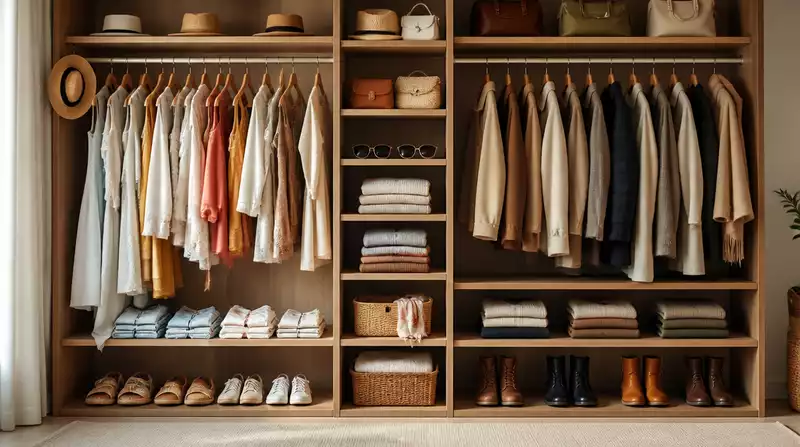
When you think about your wardrobe, consider this: the way you organize it could significantly influence your daily routine and overall mood. Research shows that a tidy and well-organized space can lead to increased productivity and reduced stress levels. So, why not transform your wardrobe into a space that reflects your lifestyle and the unique climate of Australia?
What You Will Learn
- Australia's diverse climate zones require tailored wardrobe organization strategies for optimal functionality.
- Implementing seasonal rotation keeps your wardrobe manageable and ensures easy access to appropriate clothing.
- Timing your wardrobe changes with the seasons can help you maintain a fresh and organized closet.
- Sustainable wardrobe practices, like recycling and choosing eco-friendly materials, contribute to environmental responsibility.
- Utilizing fashion apps and online planners simplifies wardrobe management and keeps track of your clothing choices.
Understanding Australia's Climate Zones and Seasonal Wardrobe Management
The organization of your wardrobe can greatly depend on the climate you reside in. Below is a visual representation of Australia's climate zones and the recommended seasonal swaps for wardrobe management. To learn more about optimizing your living space, explore our Australian tips for decluttering your home.
Climate Zones
- Tropical: Hot and humid, requiring breathable fabrics.
- Subtropical: Warm and wet, needing versatile layers.
- Desert: Extremely hot during the day, cool at night.
- Temperate: Mild, needing a blend of seasonal clothing.
- Alpine: Cold with snow in winter, necessitating insulated clothing.
Seasonal Swaps
- Spring (Sept - Nov): Transition to lighter fabrics.
- Summer (Dec - Feb): Focus on breathable clothing.
- Autumn (Mar - May): Layering becomes key.
- Winter (Jun - Aug): Bring out warm layers.
Effective Strategies for Organizing Your Wardrobe in Australian Climates
Organizing your wardrobe can be a game-changer, especially when you consider the unique climate variations across Australia. With the country's diverse weather—from the humid tropics of Queensland to the cooler southern regions—it's essential to adapt our wardrobe organization strategies accordingly. This means understanding not just the seasons but also the specific challenges each climate zone presents.
For instance, if you live in a humid area, you might find that your clothes require more frequent washing and special care to avoid mildew. On the other hand, those in drier regions might need to consider how heat affects fabric longevity. The key is to create a wardrobe setup that not only meets your aesthetic desires but also addresses the practical needs that arise from our varied climates.
Understanding Australia's Diverse Climate Zones and Their Impact
Australia features several distinct climate zones, each influencing how we organize our wardrobes. Here’s a quick look:
- Tropical: Hot and humid, often requiring breathable fabrics and light clothing.
- Subtropical: Warm and wet with a mix of seasons, needing versatile layers.
- Desert: Extremely hot during the day but cool at night, calling for both warm and cool-weather clothes.
- Temperate: Mild, requiring a blend of seasonal clothing for both warmth and lightness.
- Alpine: Cold with snow in winter, necessitating heavy, insulated clothing.
By understanding these climate zones, we can tailor our wardrobe to match our local environment. As someone who has transformed my own home into an organized haven, I know how important it is to adapt our spaces and habits to our surroundings. For more tips on creating a serene home environment, check out our guide on how to declutter your home for calm.
The Importance of Seasonal Rotation in Wardrobe Management
One effective strategy for wardrobe organization is implementing a seasonal rotation. This means switching out clothes based on the current season, which not only keeps your wardrobe manageable but also ensures you have easy access to the appropriate clothing. Here are some key benefits:
- Enhances visibility of what you own, reducing the chance of forgetting pieces.
- Keeps seasonal clothes in prime condition by reducing wear and tear.
- Makes it easier to donate or recycle items that you no longer wear.
By regularly rotating your clothes, not only do you keep your wardrobe organized, but you also create space for fresh styles and ensure that you’re wearing everything you own. It’s about making your wardrobe work for you!
Seasonal Swaps: Timing Your Wardrobe Changes
Timing is everything when it comes to seasonal swaps! In Australia, the best times to swap your wardrobe typically align with the following months:
- Spring (September - November): Transition to lighter fabrics and vibrant colors.
- Summer (December - February): Focus on breathable clothing and sun protection.
- Autumn (March - May): Layering becomes key as temperatures start to drop.
- Winter (June - August): Bring out the warm layers and cozy accessories.
As you prepare for these seasonal shifts, take a moment to evaluate your wardrobe. Are there pieces that no longer serve you? This is the perfect opportunity for a declutter! I always find that making these changes at the start of a season helps set the tone for a fresh start. For comprehensive advice on keeping your home tidy, explore our decluttering tips for Aussie homes.
Pro Tip
To optimize your wardrobe organization further, consider creating a "capsule wardrobe." This concept involves curating a small collection of versatile pieces that can be mixed and matched for various occasions. By focusing on quality over quantity, you not only simplify your choices but also ensure that you have outfits that suit Australia's diverse climates.
Summary of Key Takeaways for Wardrobe Organization
When it comes to organizing your wardrobe in Australia, understanding the unique climate variations is crucial. This guide covered essential strategies that can help you create a functional and organized closet. From seasonal rotations to innovative storage solutions, each tip contributes to a more manageable wardrobe that reflects your lifestyle.
Remember, it’s all about creating a system that works for you! By utilizing the steps shared, you can maximize your space and keep your clothing accessible and tidy.
Frequently Asked Questions About Wardrobe Organization in Australia
- Q1: Why is understanding Australia's climate zones important for wardrobe organization?
- A1: Australia's diverse climate zones (Tropical, Subtropical, Desert, Temperate, Alpine) significantly influence the types of clothing needed. Tailoring your wardrobe to your local climate ensures you have appropriate attire and helps preserve your clothes from specific environmental factors like humidity or extreme heat.
- Q2: What is seasonal rotation, and how does it benefit my wardrobe?
- A2: Seasonal rotation involves regularly switching out clothes based on the current season. This practice keeps your wardrobe manageable, improves visibility of your clothing items, reduces wear and tear on out-of-season garments, and makes decluttering easier.
- Q3: When should I perform seasonal wardrobe swaps in Australia?
- A3: The best times to swap your wardrobe align with the Australian seasons: Spring (September - November) for lighter fabrics, Summer (December - February) for breathable clothing, Autumn (March - May) for layering, and Winter (June - August) for warm layers.
- Q4: How can I make my wardrobe more sustainable?
- A4: Implement sustainable practices by choosing fabrics made from eco-friendly materials, donating or recycling old clothing, opting for second-hand shopping, and investing in high-quality pieces that last longer. Consider responsible disposal methods like sustainable rubbish removal.
- Q5: Are there any digital tools to help with wardrobe management?
- A5: Yes, fashion apps and online wardrobe planners like Cladwell or Stylebook can simplify organization. They offer personalized outfit suggestions, help you catalog your closet, and remind you of items you haven't worn in a while, making wardrobe management effortless.
Encouraging Sustainable Wardrobe Practices
Sustainability is more than just a buzzword; it's an important consideration in our daily lives. As you declutter and organize, I encourage you to think about your wardrobe choices and how they impact the environment. Implementing eco-friendly practices can lead to a more responsible approach to fashion.
- Choose fabrics made from sustainable materials.
- Donate or recycle clothing rather than throwing it away.
- Opt for second-hand shopping to reduce waste.
- Invest in quality pieces that will last longer.
At Organized Aussie Life, I believe that small changes can lead to significant impacts. By adopting these sustainable habits, you’ll not only declutter your space but also contribute to a healthier planet!
Utilizing Fashion Apps and Online Wardrobe Planners
In our tech-savvy world, there are fantastic tools available to help you manage your wardrobe digitally. Fashion apps and online wardrobe planners can simplify your organization process, making it easier to keep track of your clothes and outfit choices.
- Apps like Cladwell offer personalized outfit suggestions based on what you own.
- Stylebook helps you catalog your closet and plan outfits.
- Smart closet apps can remind you of the clothes you haven’t worn in a while.
Using these tools can provide a fresh perspective on your wardrobe management and help you stay organized effortlessly. I find these digital resources incredibly helpful in maintaining an organized wardrobe, and I hope you do too!
Call to Action: Start Your Wardrobe Transformation Today
Now that you have these insights and strategies, it’s time to take action! I encourage you to implement the tips shared in this article and begin your wardrobe transformation today. Share your organizing experiences with me—I’d love to hear how you’re making your wardrobe work for you!
Remember, a well-organized wardrobe not only enhances your space but also boosts your mood and confidence. Let’s create a serene and stress-free environment together at Organized Aussie Life!
Recap of Key Points
Here is a quick recap of the important points discussed in the article:
- Understand Climate Zones: Tailor your wardrobe organization based on Australia's diverse climate zones for optimal functionality.
- Implement Seasonal Rotation: Keep your wardrobe manageable by rotating clothes seasonally, enhancing visibility and reducing wear.
- Timing for Seasonal Swaps: Swap wardrobe items at the start of each season (Spring, Summer, Autumn, Winter) for a fresh start and decluttering opportunity.
- Encourage Sustainability: Adopt eco-friendly practices like donating clothes, choosing sustainable fabrics, and investing in quality pieces.
- Utilize Technology: Leverage fashion apps and online wardrobe planners to simplify organization and outfit management.

Clara Whitfield
Clara Whitfield is a dedicated home organization expert and the visionary behind Organized Aussie Life. With a love for decluttering and a knack for innovative solutions, Clara transforms Australian homes into serene, stress-free sanctuaries. Her goal is to empower families with practical strategies for achieving harmonious living spaces through effective organization and rubbish removal services.
Popular Posts
Healthy Home Deep Cleaning Tips
![Healthy Home Deep Cleaning Tips]() Did you know that a clean home can significantly enhance your overall well-being? By deep cleaning y
Did you know that a clean home can significantly enhance your overall well-being? By deep cleaning y
 Did you know that a clean home can significantly enhance your overall well-being? By deep cleaning y
Simple Habits for Home Organization
![Simple Habits for Home Organization]() Creating a clutter-free home doesn’t require drastic changes; it’s about establishing effective
Creating a clutter-free home doesn’t require drastic changes; it’s about establishing effective
 Creating a clutter-free home doesn’t require drastic changes; it’s about establishing effective
Weekend Home Organization Made Simple
![Weekend Home Organization Made Simple]() Did you know that organizing your home can significantly reduce stress and enhance your productivity
Did you know that organizing your home can significantly reduce stress and enhance your productivity
 Did you know that organizing your home can significantly reduce stress and enhance your productivity
Organize Your Home, Manage Time
![Organize Your Home, Manage Time]() Effective time management is not just about scheduling; it's about creating a serene living environm
Effective time management is not just about scheduling; it's about creating a serene living environm
 Effective time management is not just about scheduling; it's about creating a serene living environm
