One-in-One-out Rule
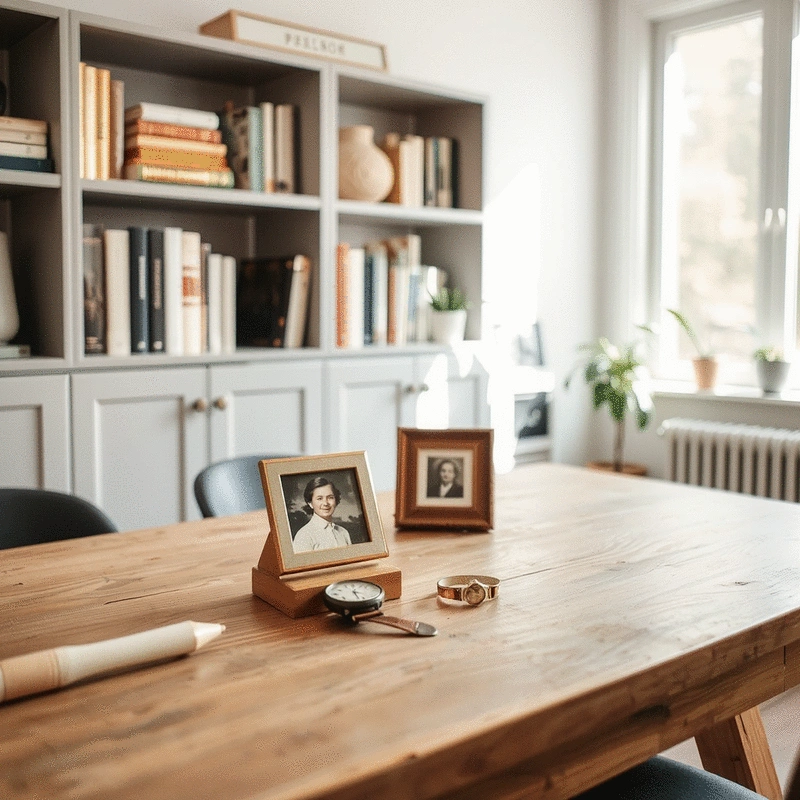
For every new sentimental item you bring home, consider letting go of another.
Decluttering sentimental items is not just about organizing your space; it’s an emotional journey that can significantly impact your well-being. Understanding the emotional challenges involved is the first step toward creating a peaceful and organized environment.
These guidelines can help maintain clarity and emotional balance during the decluttering process. For more practical advice on managing your belongings, consider these Australian decluttering tips.
For every new sentimental item you bring home, consider letting go of another.
Decide how many items in a specific category (like gifts or memorabilia) are acceptable.
Think carefully before purchasing or accepting sentimental items. Ensure they truly add value to your life.
Create a supportive atmosphere by inviting family to share their thoughts and feelings about specific possessions.
Decluttering sentimental items can be an emotional rollercoaster! As someone who has gone through this process myself, I understand the struggle of letting go of items that hold memories and emotions. It's crucial to recognize that the feelings we associate with these items, such as guilt or nostalgia, can significantly impact our ability to declutter effectively.
Guilt often creeps in when we think about parting with gifts, heirlooms, or childhood treasures. Our attachments can lead us to believe that letting go means losing those memories. But it's essential to remind ourselves that memories live within us, not the physical items we hold onto. Acknowledging this feeling is the first step toward a smoother decluttering journey.
As I’ve worked with many families through Organized Aussie Life, I’ve noticed that guilt is one of the most common barriers to decluttering. Often, people feel like they are disrespecting their loved ones by getting rid of items that were once meaningful. It's important to recognize this guilt and confront it head-on. Understanding that it's okay to make space for new memories can help you navigate these feelings. For more strategies on managing emotional clutter, explore these decluttering tips for busy families.
Here are some common sources of guilt when decluttering sentimental items:
Shifting your perspective can make all the difference in your decluttering process. Instead of focusing on the loss, consider how much better you will feel with a more organized space! It's about embracing the idea of transforming your home into a sanctuary rather than feeling burdened by excess. When you reframe your mindset, you can see that letting go is a step toward creating a life that reflects your current self.
Some tips for mindset reframing include:
Here's a brief recap of the key points discussed so far:
Once you've successfully decluttered your sentimental items, the next challenge is to maintain that newfound clarity and organization. At Organized Aussie Life, I truly believe that establishing guidelines for future sentimental acquisitions can make a world of difference. Setting clear boundaries helps you avoid being overwhelmed by clutter again, allowing your space to remain serene and inviting.
One effective way to prevent re-accumulation is to create a set of personal guidelines. Consider these points:
By implementing these guidelines, you’ll find it easier to appreciate what you have without feeling burdened by excess. For tips on managing unwanted items responsibly, check out resources on sustainable rubbish removal in Sydney.
Decluttering can be a wonderful family activity, especially when it comes to sentimental items. Involving your family not only makes the process more enjoyable but also helps everyone understand the significance of the items. Invite your loved ones to share their thoughts and feelings about specific possessions, creating a supportive atmosphere.
Here are some ways to engage your family in the process:
Involving family not only strengthens bonds but also makes it easier to let go of items that may not hold the same emotional weight for everyone.
Family heirlooms often carry deep emotional connections, making them some of the most challenging items to declutter. It's important to have open conversations about these items and their significance. This can provide clarity on why you might choose to keep, donate, or pass them along to another family member.
Here’s how to navigate discussions about heirlooms:
This approach helps everyone feel valued and understood, making the decluttering process smoother. To create a more calming environment in your home, consider how decluttering can declutter your home for calm.
As I’ve learned through my own journey in home organization, accepting the emotional nature of letting go is essential. Emotions play a significant role in our relationships with belongings, and it's completely normal to feel a sense of guilt or loss. Acknowledging these feelings is the first step toward creating a more peaceful space.
Emotions can be complex when it comes to decluttering. It's vital to accept that it's okay to feel sad or nostalgic about letting go of certain items. Here are some ways to embrace this emotional journey:
By acknowledging your emotions, you can make the process of letting go more meaningful and rewarding.
Having a support system can make a huge difference as you navigate your decluttering journey. Surrounding yourself with people who understand your goals can provide motivation and encouragement. Consider reaching out to friends, family, or even joining local decluttering groups.
Here are some ways to build that network:
Creating this network can help keep you motivated and remind you that you’re not alone in your journey.
Incorporating mindfulness practices into your life can significantly enhance your emotional resilience during the decluttering process. When faced with challenging emotions, these practices can help ground you and provide clarity. Consider trying these techniques:
Mindfulness can pave the way for a smoother and guilt-free decluttering experience, allowing you to embrace a life with less clutter and more space for what truly matters.
As someone who has navigated the challenges of decluttering, I understand that you might have some questions. Here are a few common queries that come up in this journey.
The most common emotional challenges include feelings of guilt, nostalgia, and a fear of disrespecting loved ones or forgetting memories associated with the items.
Establishing guidelines like the "one-in-one-out" rule, setting limits on collections, and practicing mindful shopping can help prevent re-accumulation.
Yes, involving family members can strengthen bonds, help everyone understand the significance of items, and create a supportive atmosphere for making decisions about shared possessions.
It's normal to feel sad or guilty. Practice self-compassion, allow yourself to feel emotions without judgment, and focus on the positive outcomes of decluttering, such as a clearer space and mind.
It's natural to feel regret at times. Remind yourself why you chose to let it go, and consider how much lighter you feel without it. Remember that memories reside within you, not solely in physical objects.
Digital archiving allows you to keep memories alive without physical clutter. You can photograph or scan items to preserve their essence while letting go of the physical objects.
For additional strategies on managing clutter in various areas of your home, refer to our guide on decluttering your home in Australia.
As I wrap up this journey through decluttering sentimental items, I hope you feel empowered to embrace this process. Remember, letting go doesn't erase memories; it creates space for new ones. Start your decluttering journey today, and enjoy the benefits of a clear, organized home!
Here is a quick recap of the important points discussed in the article:
Clara Whitfield is a dedicated home organization expert and the visionary behind Organized Aussie Life. With a love for decluttering and a knack for innovative solutions, Clara transforms Australian homes into serene, stress-free sanctuaries. Her goal is to empower families with practical strategies for achieving harmonious living spaces through effective organization and rubbish removal services.